Developing Resources, Empowering Generations.
Investing in Africa’s energy future: building oil and natural gas value across upstream, midstream, and downstream
1) Why invest now in Africa’s energy future
- Market fundamentals: Rapid urban growth, rising electricity demand, and a need for affordable, secure energy supply position Africa as a long-term opportunity for oil and gas development.
- Gas as a transition fuel: Natural gas provides a lower-emission alternative for power generation and industry relative to oil and coal, supporting both energy security and climate commitments.
- Economic multipliers: Oil and gas investments tend to catalyze local procurement, job creation, skills development, and downstream industrialization (refining, chemicals, fertilizers, plastics), helping diversify economies.
- Regional integration potential: Cross-border gas pipelines, LNG hubs, and regional markets can reduce transaction costs, improve reliability, and expand export options.
2) Upstream opportunities: exploration, appraisal, and development
- Seismic and data upgrades: Modern 3D seismic surveys, data analytics, and reprocessing can unlock underexplored basins and de-risk frontier areas.
- Licensing and partnerships: Structured licensing rounds, bid rounds, and joint ventures with national oil companies (NOCS) and IOCs can spread risk and bring technology, capital, and project-management know-how.
- Field development strategies: From greenfield offshore and onshore discoveries to redevelopment and enhanced oil recovery (EOR), opportunities exist to convert resource potential into steady production.
- Associated and non-associated gas monetization: Capturing stranded or flared gas, and linking gas discoveries to power, industrial estates, or LNG supply chains, improves project economics and energy security.
- Technology and efficiency: Use of digital oilfield tools, subsea development, modular floating or fixed platforms, and local content-enabled ecosystems to optimize costs and training.
3) Midstream opportunities: gathering, processing, transport, and storage
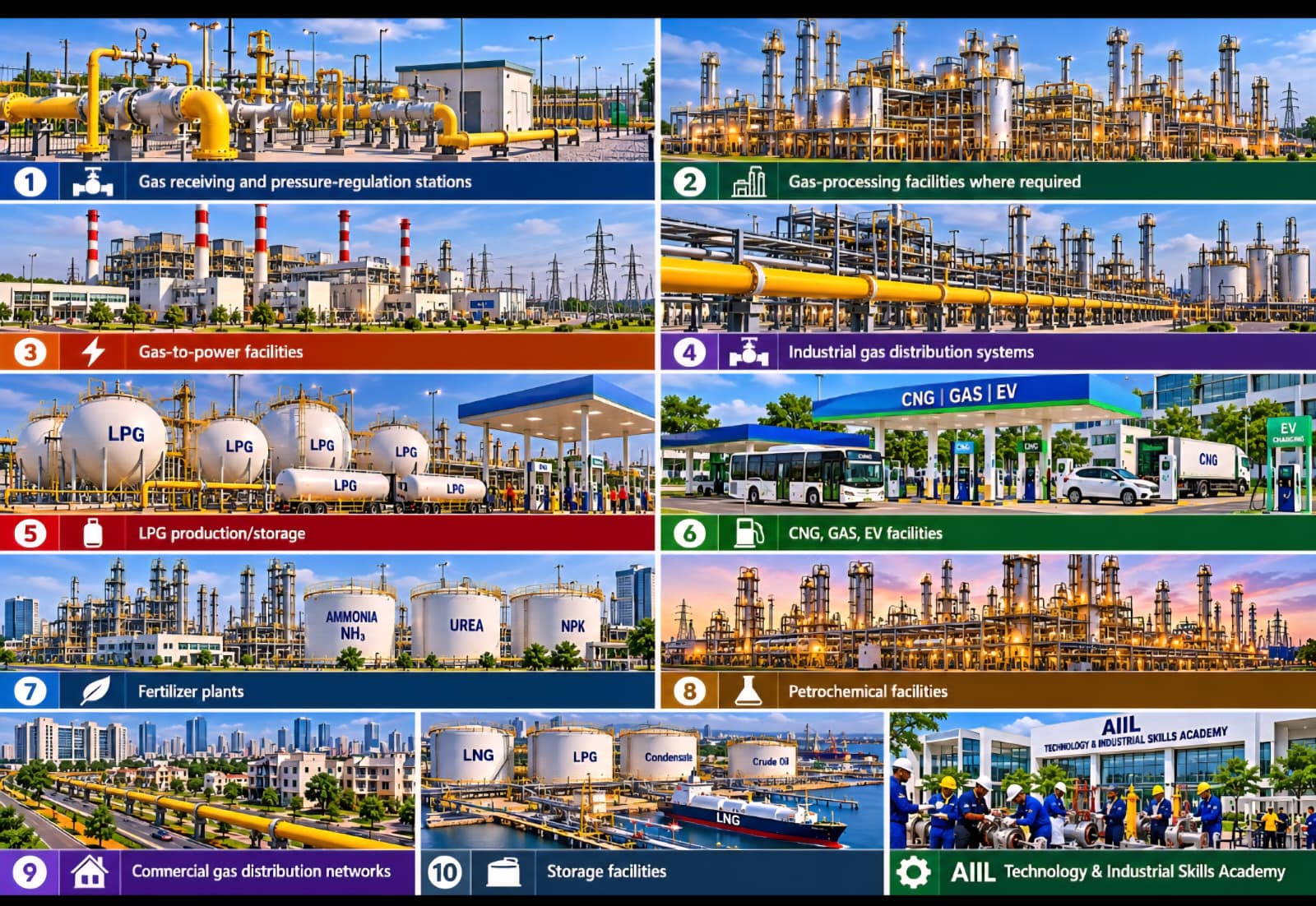
- Gas pipelines and compression: Cross-border gas pipelines and regional transmission networks enable gas sales to domestic markets, power plants, and export facilities.
- Processing and liquids handling: Gas processing plants, condensate handling, and natural gas liquids (NGL) infrastructure add value and diversify revenue streams.
- LNG and regasification hubs: LNG loading terminals, storage tanks, and regas facilities enable regional export/import capabilities and help balance domestic supply with demand.
- Storage and flexibility: Strategic petroleum and gas storage, sulfur removal, and other processing assets improve reliability and price risk management.
- Local content in midstream: Fabrication yards, maintenance services, and pipeline integrity programs offer meaningful local employment and technology transfer.
4) Downstream opportunities: refining, petrochemicals, and energy distribution
- Refineries and upgrading: Modernizing or expanding refineries to meet domestic demand, improve product quality, and reduce imports. Co-located petrochemical complexes can convert feedstocks into value-added products.
- Gas-based industries: Fertilizers, methanol, ammonia, ethylene/propylene derivatives, and other petrochemicals can anchor industrial zones fed by domestic gas supply.
- Power and transport fuel distribution: Gas-to-power projects and expanded liquid fuels distribution networks improve electricity reliability and mobility options for consumers and industry.
- LPG, kerosene, and fuels retail: Expanding retail networks and household energy products supports access, particularly in rural and peri-urban areas.
- Local content and training: Downstream projects can drive jobs, procurement opportunities, and skill-building across engineering, manufacturing, and logistics.
5) Economic growth, industrialization, and energy security
- Growth spillovers: Direct investment in upstream, midstream, and downstream creates jobs, improves tax revenue, and expands public funding for social and infrastructure programs.
- Industrialization: Availability of reliable energy feeds plants and factories, enabling value-added manufacturing and diversification away from commodity dependence.
- Energy security: Domestic gas and refined products stabilize supply, reduce import exposure, and improve price resilience for households and industry.
- Regional resilience: Integrated energy corridors (gas pipelines, LNG terminals, storage) bolster regional stability and trade, supporting economic resilience during shocks.
6) Governance, policy, and regulatory considerations
- Stable macro-fiscal terms: Transparent licensing regimes, predictable fiscal terms, and clear entitlement frameworks reduce risk and attract long-horizon investment.
- Local content and community engagement: Policies that prioritize local employment, supplier development, and shared value creation help win social license and sustain projects.
- Environmental and social safeguards: Assertive methane management, flare reduction, water stewardship, and community development plans align with ESG expectations and regulatory requirements.
- Regulatory certainty and investment protection: Enforceable contracts, enforceable sanctions for non-compliance, and dispute resolution mechanisms are essential for multiyear projects
- Energy policy alignment: Coherent national energy plans that balance export opportunities with domestic energy access and affordability.
7) Financing and risk management
- AIIL secured Foreign Funding Partners that are ready for Foreign Direct Investment.
- De-risking tools: Political risk insurance, currency hedges, offtake agreements, partial guarantees, and revenue stabilization mechanisms can reduce equity risk.
- Local currency lending: Financing structures that align cash flows with local revenue generation help mitigate currency mismatch.
- Execution risk management: Clear project governance, phased milestones, contractor pre-qualification, and robust procurement to keep capex and opex under control.
- ESG-linked finance: Green and transition finance instruments can attract investors seeking to align with climate goals while supporting gas-based energy access.
8) Risks and mitigation
- Political and regulatory risk: Proactive engagement with governments, transparent policies, and diversified partnerships reduce exposure.
- Security and governance risk: Community engagement, security management plans, and robust anti-corruption controls are essential.
- Price and market risk: Long-term offtake agreements, diversified product mix (gas, condensates, refined products), and hedging strategies help manage volatility.
- Operational risk: Maintenance of assets, supply chain resilience, and local workforce training lower downtime and cost overruns.
- Environmental risk: Immediate methane abatement, flare gas capture, water management, and biodiversity protections to meet global standards and local expectations.
9) ESG and sustainability in Africa’s energy future
- Climate alignment: Leverage gas as a lower-emission option while pursuing efficiency and methane emissions reductions; pursue opportunities for CO2 capture and sustainable use of energy.
- Community and workforce impact: Local workforce development, inclusive procurement, and shared value through community investment.
- Biodiversity and land use: Careful site selection, environmental baseline studies, and ongoing monitoring.
- Transparency and accountability: Regular disclosure of project impacts, safety metrics, and governance performance.
10) Implementation roadmap (phased approach)
- Phase 0–2 (1–3 years): Policy reform, licensing rounds, and stakeholder alignment; establish local content frameworks; begin pilot upstream exploration and small-scale gas monetization projects; set up regional gas market pathways and regulatory approvals.
- Phase 2–5 (3–7 years): Scale upstream developments; construct midstream networks (gas pipelines, processing facilities, LNG readiness); initiate domestic gas-to-power and petrochemical feedstock projects; expand refining and distribution networks.
- Phase 5–10+ (7–15 years): Regional energy integration; multi-country gas and power markets; large-scale LNG export capacity; advanced downstream complexes; sustained job creation and technology transfer; ongoing ESG enhancement and climate-aligned investments.
11) Illustrative case contexts (high-level, without claim to current status)
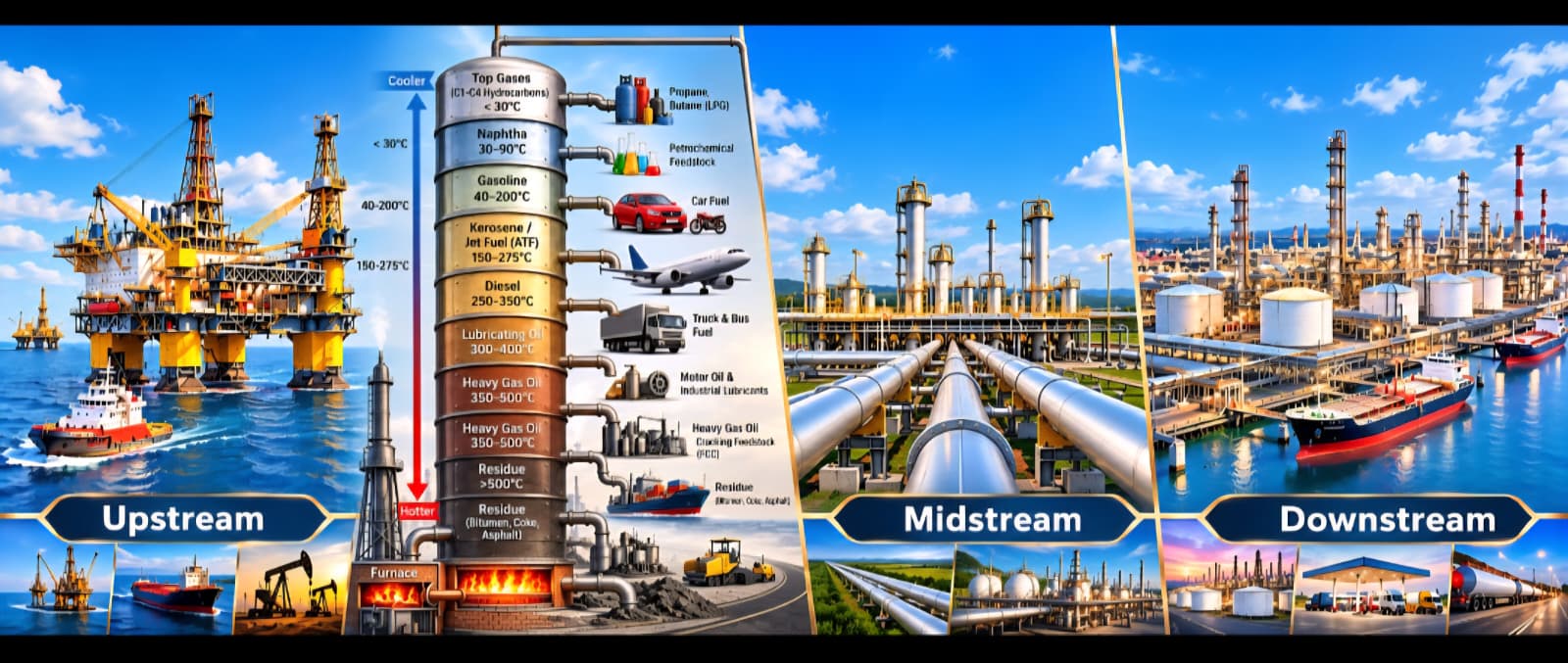
- Upstream: Frontier basins in Africa offer exploration upside with modern seismic, 3D imaging, and multi-party partnerships to de-risk large-scale discoveries.
- Midstream: Building cross-border pipelines and LNG hubs can unlock regional gas trades, diversify revenue streams, and reduce energy deficits across neighboring markets.
- Downstream: Modernized refineries and regional petrochemical clusters create demand for feedstocks and multipliers for manufacturing, boosting export potential and local sourcing.
12) Conclusion
Investing across Africa’s oil and natural gas value chain presents a compelling opportunity to accelerate energy access, stimulate industrialization, and support broad-based growth. By combining targeted upstream discoveries, strategic midstream infrastructure, and value-adding downstream developments—while upholding strong governance, environmental stewardship, and local capability building—investors can help unlock Africa’s energy potential responsibly and profitably. This approach requires a coordinated ecosystem of governments, international financiers, developers, and local communities to realize durable, inclusive economic benefits.
Featured Projects
Our featured projects highlight impactful initiatives that drive sustainable development and innovation across the African continent. Each project is designed to strengthen critical infrastructure, promote economic growth, and improve quality of life. Our commitment is to building resilient communities and empowering future generations. Through strategic partnerships, cutting-edge technology, and local capacity building, we are shaping a more inclusive and prosperous Africa.