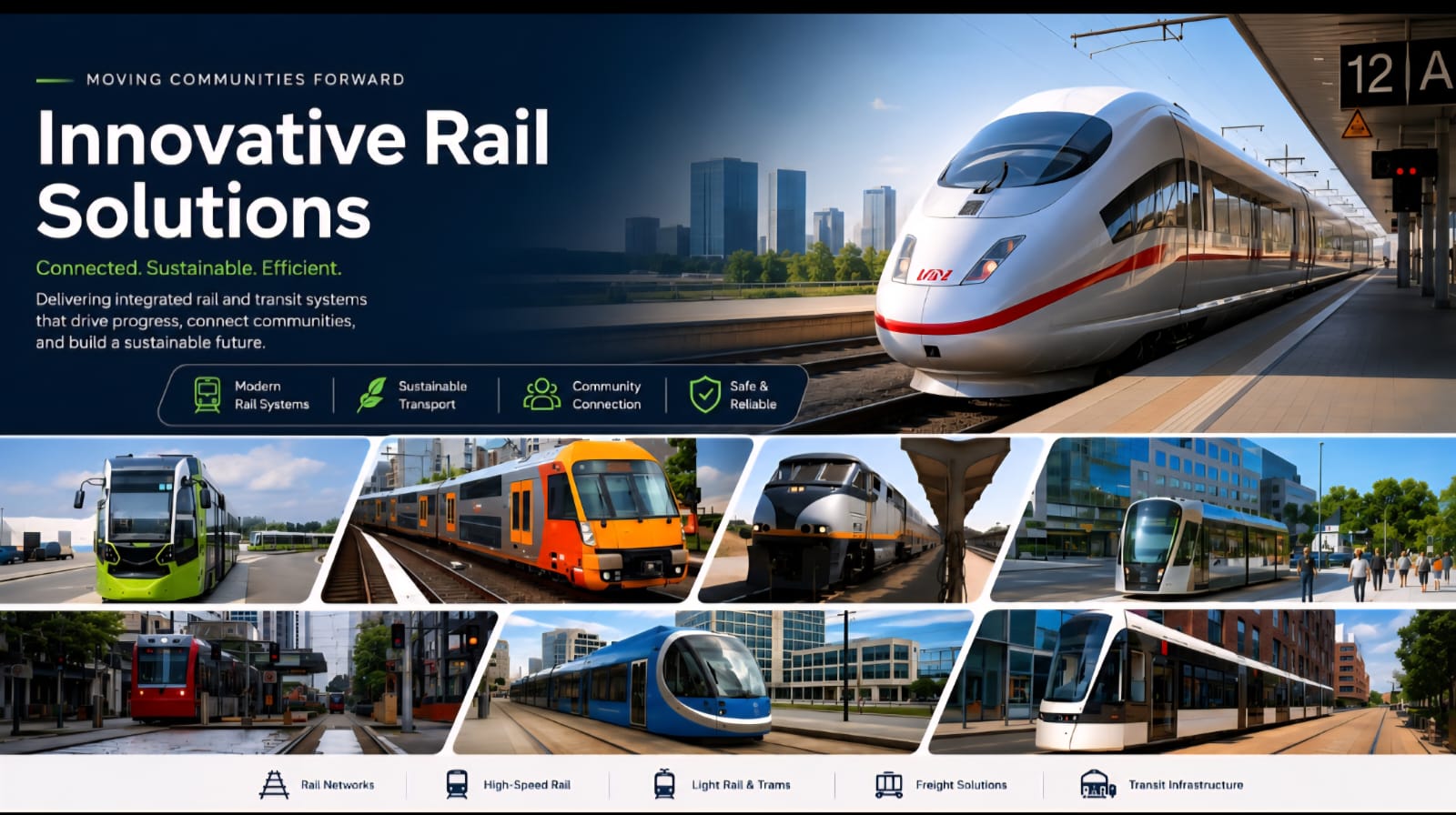
African Infrastructure Investment Limited (AIIL) Transit Infrastructure Initiative Catalyzing Economic Growth, Resilience, and Social Equity in African Cities
African Infrastructure Investment Limited (AIIL) recognizes that Africa’s rapid urbanization presents both immense opportunities and significant challenges. With city populations expanding across Nigeria and the continent, transit infrastructure has become a critical enabler of economic competitiveness, social inclusion, and climate resilience.
The AIIL Transit Infrastructure Initiative seeks to mobilize public and private investment to deliver efficient, sustainable, and inclusive transport systems that connect major urban centers, reduce congestion, and unlock access to jobs, markets, and essential services. This initiative will not only improve mobility but also serve as a strategic driver of industrial growth, resilience against climate shocks, and social equity across African societies.
Strategic Rationale
1. Economic Growth and Competitiveness
Facilitating Trade and Commerce
Seamless connectivity between Nigeria’s key hubs—Lagos, Abuja, Kano—and other African cities will cut logistics costs, speed delivery of raw materials and finished goods, and strengthen competitiveness in manufacturing and services.
Well-developed railways, highways, and logistics corridors will attract industries by ensuring reliable, cost-effective transport links.
Boosting Tourism
- Integrated rail and road networks, high-speed transport, and modernized inter-city buses will expand tourism flows.
- By linking cultural, historic, and natural attractions, transit systems will create multiplier effects across hospitality, retail, and food services.
Job Creation
- Infrastructure construction and maintenance will generate thousands of jobs—from engineers to artisans.
- Long-term employment opportunities will arise in operations, logistics, and associated industries supported by enhanced connectivity.
2. Building Urban and Climate Resilience
Climate Change Adaptation
Public transport systems reduce reliance on private cars, lowering emissions and mitigating climate risks.
AIIL-backed designs will integrate flood-resistant railways, elevated bus corridors, and green mobility options to withstand extreme weather.
Disaster Response Capacity
A robust, connected transit network will enable rapid evacuation, supply delivery, and coordinated disaster response during emergencies such as flooding or pandemics.
3. Social Equity and Human Development
- Access to Education and Healthcare
- Reliable transport links between rural towns and major cities will give students and patients greater access to top schools and hospitals.
- Affordable mobility reduces inequality by connecting underserved populations to critical services.
Expanding Employment Opportunities
- Improved transit enables job seekers in peri-urban and rural areas to access a wider labor market.
- It reduces the mismatch between housing and employment, driving inclusive growth and higher incomes.
The Case for Investment
Cities such as Lagos, Nairobi, Cairo, and Kinshasa face worsening congestion, environmental degradation, and infrastructure deficits. In Nigeria, traffic congestion alone results in billions of dollars in lost productivity annually. Similar patterns exist across Africa, threatening economic competitiveness and quality of life.
The AIIL Transit Infrastructure Initiative addresses this challenge through:
- Public–private collaboration (PPC): leveraging AIIL’s financial networks to bring in concessional funding, private equity, and technical expertise.
- Policy alignment: supporting governments in developing frameworks that de-risk transit projects.
- Innovation and technology: integrating smart ticketing, digital logistics, and renewable-powered transit systems.
Implementation Framework
- Flagship Projects: Begin with transformative projects in Nigeria (e.g., Lagos–Abuja–Kano corridor) and scale across Africa’s megacities.
- Phased Rollout: Prioritize high-impact urban corridors while laying groundwork for regional inter-city linkages.
- Financing Stack: Mobilize blended finance, sovereign commitments, and AIIL’s network of international funding partners.
- Stakeholder Partnerships: Governments, DFIs, community groups, and the private sector engaged throughout planning and execution.
- Monitoring and Accountability: Transparent dashboards, ESG compliance, and measurable KPIs (jobs created, emissions reduced, transit times saved).
Expected Outcomes
- Economic: Reduced logistics costs, higher industrial competitiveness, and expanded tourism revenues.
- Social: Improved mobility, better access to education/healthcare, and reduced unemployment through wider job access.
- Environmental: Lower greenhouse gas emissions, climate-adaptive infrastructure, and greener cities.
- Governance: Stronger Collaboration, improved regulatory frameworks, and inclusive participation of local communities.
Conclusion and Call to Action
The AIIL Transit Infrastructure Initiative positions transit as a cornerstone of Africa’s sustainable urbanization. By connecting cities and people, AIIL aims to catalyze economic growth, resilience, and social equity, while reducing Africa’s carbon footprint and unlocking its urban potential.
Through visionary partnerships, smart investment, and scalable infrastructure models, African cities can develop world-class transit systems that not only ease movement but also transform economies and societies for generations to come.
Featured Projects
Our featured projects highlight impactful initiatives that drive sustainable development and innovation across the African continent. Each project is designed to strengthen critical infrastructure, promote economic growth, and improve quality of life. Our commitment is to building resilient communities and empowering future generations. Through strategic partnerships, cutting-edge technology, and local capacity building, we are shaping a more inclusive and prosperous Africa.