Justice
Correctional and Prison Infrastructure Development in African Continent: A Path to Food Security and Economic Growth
The correctional and prison systems in African continent have long been plagued by numerous challenges, including overcrowding, poor living conditions, and limited rehabilitation programs. However, there is a growing recognition of the potential of these institutions to contribute positively to national development, particularly in the areas of food security and economic diversification. This write - up explores the development of correctional and prison infrastructure in Africa, with a focus on establishing agricultural and agro - allied programs, vocational training, and labor and construction jobs.
Current State of Correctional and Prison Infrastructure in Africa
Overcrowding
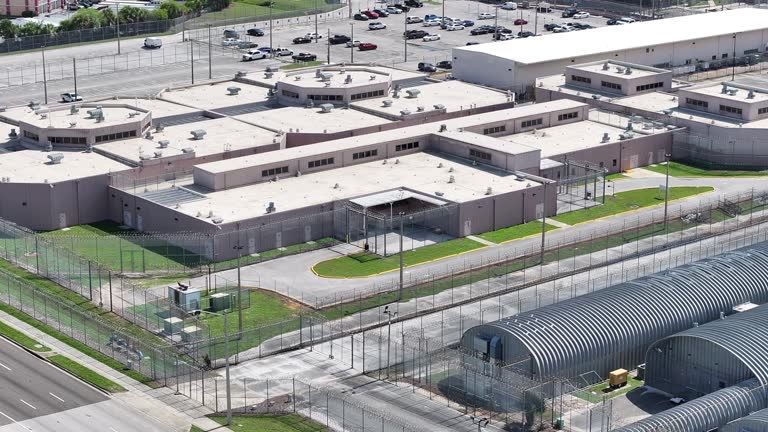
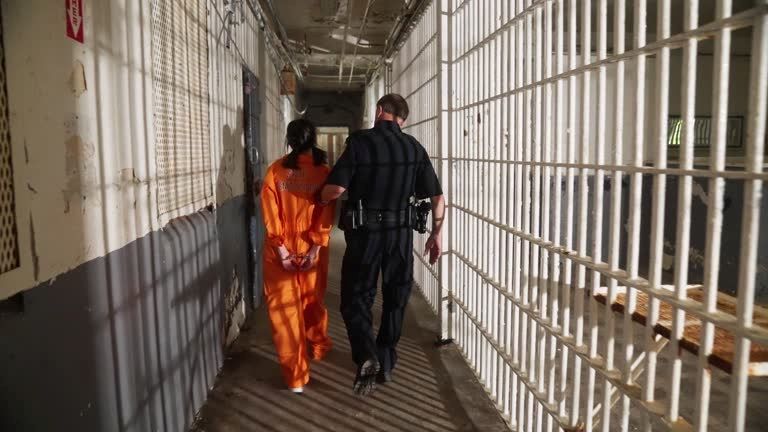
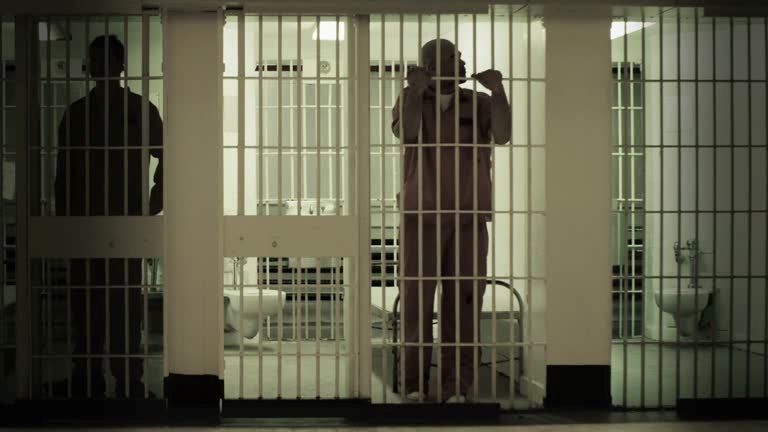
In Africa, prisons are severely overcrowded, with the inmate population often far exceeding the designed capacity of the facilities. This overcrowding leads to poor living conditions, increased spread of diseases, and limited access to basic amenities. Similar situations are prevalent in many African countries, where prisons struggle to accommodate the growing number of inmates.
Inadequate Infrastructure
Most correctional facilities in Africa country lack proper infrastructure. Buildings are dilapidated, sanitation systems are poor, and there is a shortage of educational and vocational training facilities. This lack of infrastructure hinders the rehabilitation and reintegration of inmates into society.
Limited Rehabilitation Programs
The existing rehabilitation programs in these institutions are often underfunded and poorly organized. There is a lack of emphasis on skills development and vocational training, which are essential for inmates to secure employment upon release.
Agricultural and Agro - Allied Programs in Prisons
Rationale
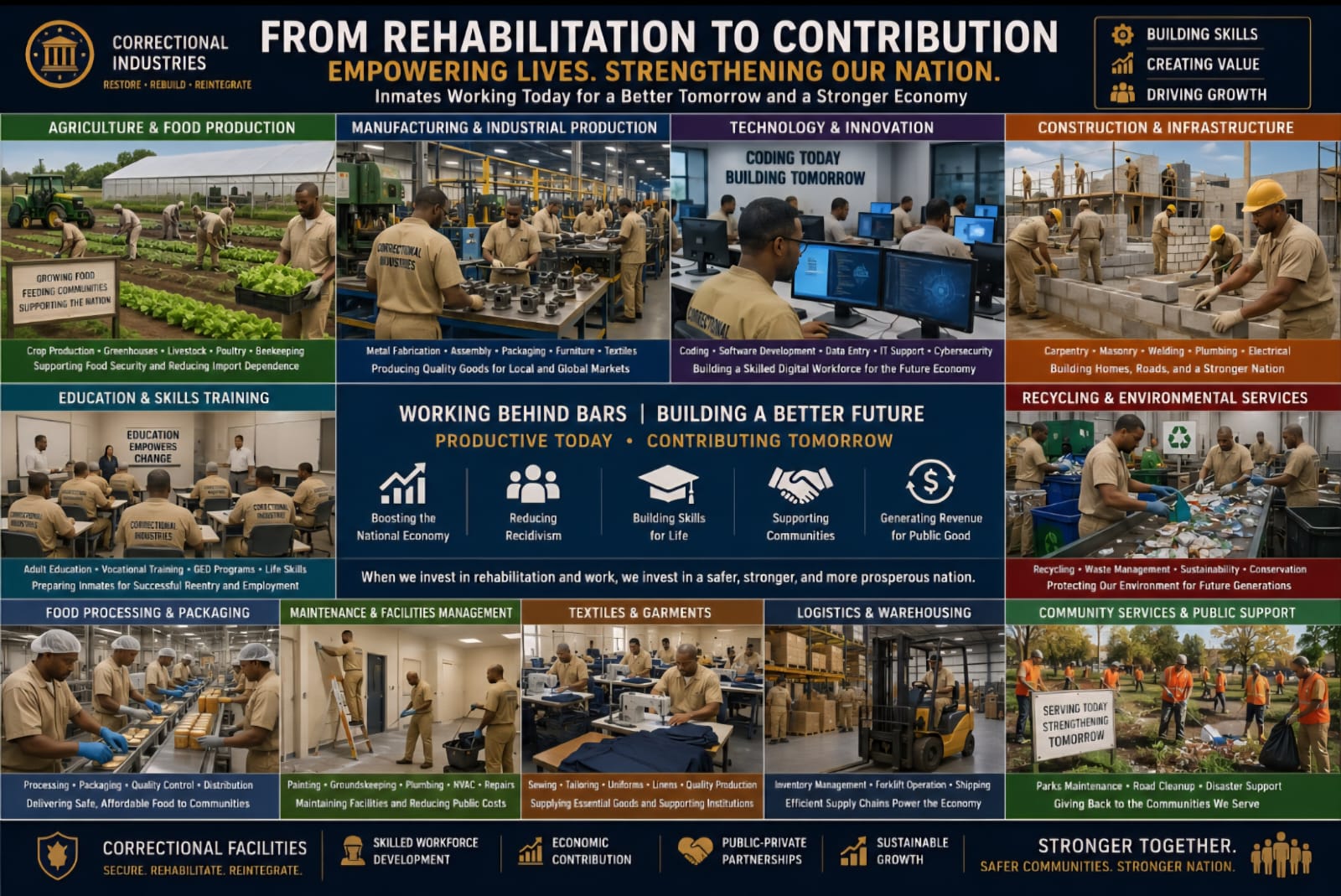
Agriculture is the backbone of many African economies, and prisons can play a significant role in contributing to food security. By establishing agricultural and agro - allied programs in correctional facilities, inmates can learn valuable farming skills, produce food for the prison and local communities, and contribute to the overall agricultural output of the country.
Program Components
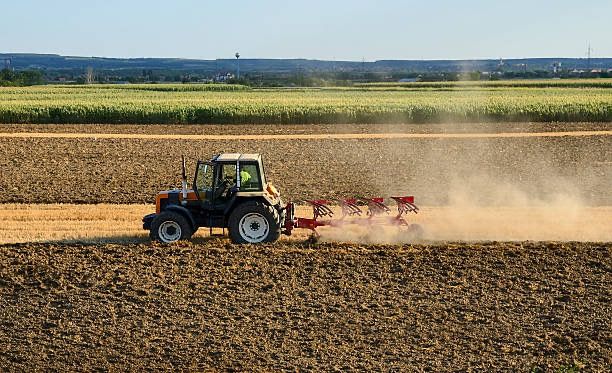
Crop Farming: Inmates can be trained in various crop - farming techniques, including the cultivation of staple crops such as maize, rice, and cassava, as well as vegetables and fruits. These crops can be used to feed the inmates and sold in the local market to generate income for the prison.
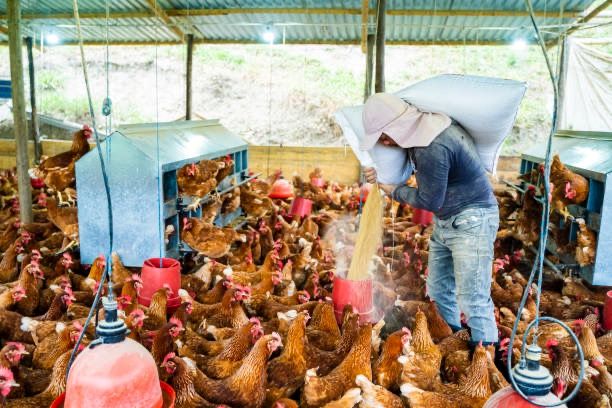
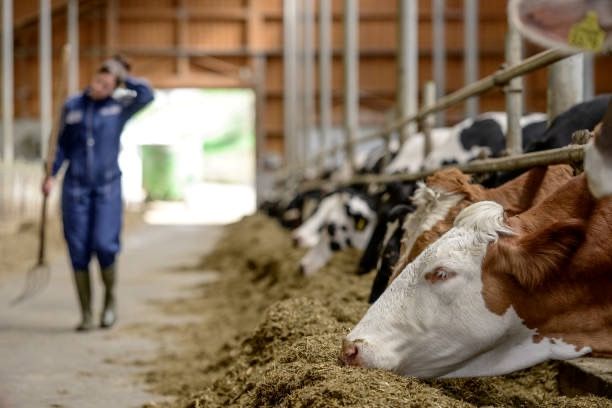
Livestock Rearing: Prisons can also engage in livestock rearing, such as poultry, pigs, and goats. This not only provides a source of protein for the inmates but also offers opportunities for value - addition, such as meat processing and dairy production.
Agro - processing: Once the agricultural products are harvested, inmates can be trained in agro - processing techniques, such as milling, canning, and drying. This adds value to the products, extends their shelf - life, and increases their marketability.
Benefits
Food Security: The agricultural produce from prison farms can help meet the food needs of the inmates and contribute to the food supply of the local community, thus enhancing food security.
Skill Development: Inmates gain practical farming and agro - processing skills, which can increase their employability upon release, either in the agricultural sector or related industries.
Income Generation: The sale of agricultural products and processed goods can generate income for the prison, which can be used to improve the infrastructure and rehabilitation programs.
Vocational Training Programs
Importance
Vocational training is crucial for the rehabilitation and reintegration of inmates into society. By providing inmates with marketable skills, they are more likely to find employment after release, reducing the likelihood of re - offending.
Types of Vocational Training
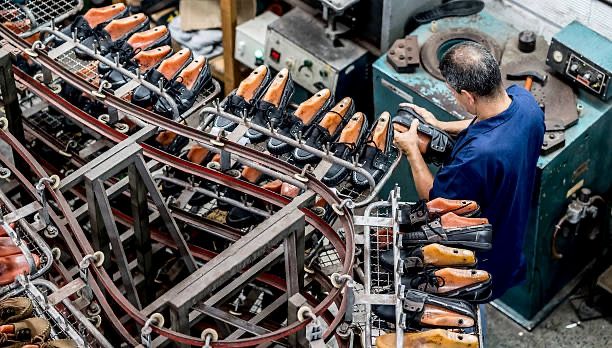
Crafts and Trades: Inmates can be trained in carpentry, plumbing, electrical work, tailoring, and other crafts and trades. These skills are in high demand in the construction and manufacturing sectors.
Information Technology: With the increasing digitalization of the economy, training inmates in IT skills such as programming, web design, and digital marketing can open up new employment opportunities.
Hospitality and Tourism: Training in hospitality skills, such as cooking, housekeeping, and customer service, can prepare inmates for jobs in the tourism and hospitality industry.
Benefits
Employment Opportunities: Vocational training equips inmates with skills that make them more competitive in the job market, increasing their chances of finding sustainable employment after release.
Economic Empowerment: Inmates who are able to secure employment can become self - sufficient and contribute to the economic develo pment of their communities.
Reduced Recidivism: By providing inmates with the means to earn a living, vocational training reduces the likelihood of them returning to a life of crime.
Labor and Construction Jobs
Utilizing Inmate Labor
Prison inmates can be employed in labor and construction jobs within the correctional facilities and for external projects. This not only provides them with work experience but also helps in the development of prison infrastructure and contributes to the overall construction industry.
Projects
Prison Infrastructure Development: Inmates can be involved in the construction and renovation of prison buildings,h including dormitories, classrooms, and workshops. This improves the living and working conditions within the prison.
External Construction Projects: With proper regulations and safety measures in place, inmates can be contracted to work on external construction projects, such as building roads, bridges, and public buildings. This can help reduce the cost of construction for the government and create employment opportunities for inmates.
Benefits
Infrastructure Improvement: The labor of inmates can be used to upgrade and expand prison infrastructure, which is essential for the effective management and rehabilitation of inmates.
Cost - Saving: Utilizing inmate labor in construction projects can significantly reduce the cost of construction for the government, allowing for more resources to be allocated to other development areas.
Skill Development: Inmates gain valuable construction skills, which can enhance their employability in the construction industry after release.
Government Support and Partnerships
Policy Support
The government needs to develop and implement policies that support the establishment and expansion of agricultural, vocational training, and labor and construction programs in correctional facilities. These policies should provide for funding, technical assistance, and regulatory frameworks.
Partnerships with the Private Sector
Partnerships with the private sector can bring in expertise, technology, and market access. Private companies can provide training, equipment, and marketing channels for the agricultural products
Featured Projects
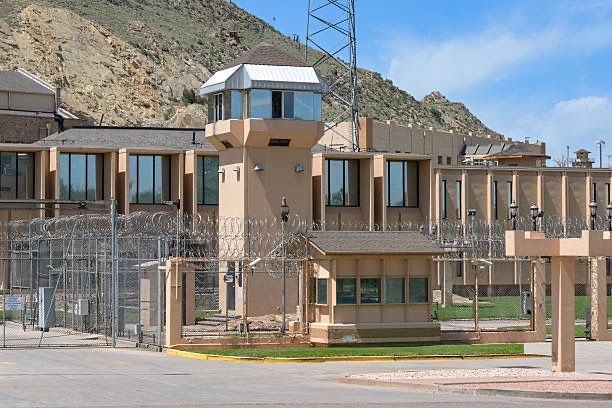
Across many African countries, correctional and prison facilities face significant challenges. Aging infrastructure, inadequate space, and limited resources have resulted in prison populations that often far exceed the designed capacity of the facilities. This overcrowding contributes to poor living conditions, increased spread of diseases, and restricted access to essential services and rehabilitation programs. Addressing these challenges requires innovative infrastructure development and strategic partnerships.
African Infrastructure Investment Ltd. is committed to supporting the development of modern, humane, and productive correctional facilities across the continent. Beyond improving security and living conditions, these facilities are envisioned as centers for rehabilitation, skills development, and economic participation.
A key component of this initiative is the integration of agricultural and agro allied programs within correctional facilities. By utilizing available land around correctional institutions for farming, livestock production, and agro processing, these programs can contribute directly to food security while equipping inmates with valuable vocational and entrepreneurial skills. Participants gain hands on training in agriculture, agro processing, construction, carpentry, mechanics, and other trades that enhance their ability to reintegrate into society upon release.
The initiative also promotes labor and construction employment opportunities through the development of new correctional infrastructure and the upgrading of existing facilities. Modern correctional complexes will include vocational training centers, agricultural zones, food processing units, and rehabilitation programs designed to foster productivity and dignity.
African Infrastructure Investment Ltd. invites private sector participation to help transform the correctional system into a platform for sustainable development. Private companies can play a critical role by investing in agricultural technologies, providing modern equipment, offering professional training programs, and establishing reliable marketing channels for agricultural products produced through these programs.
Through strategic collaboration between governments, investors, and development partners, correctional facilities can evolve from overcrowded institutions into productive centers that contribute to food security, job creation, and economic growth across Africa. This model not only improves living conditions within correctional systems but also supports rehabilitation, reduces recidivism, and strengthens national development.
Correctional and Prison Program