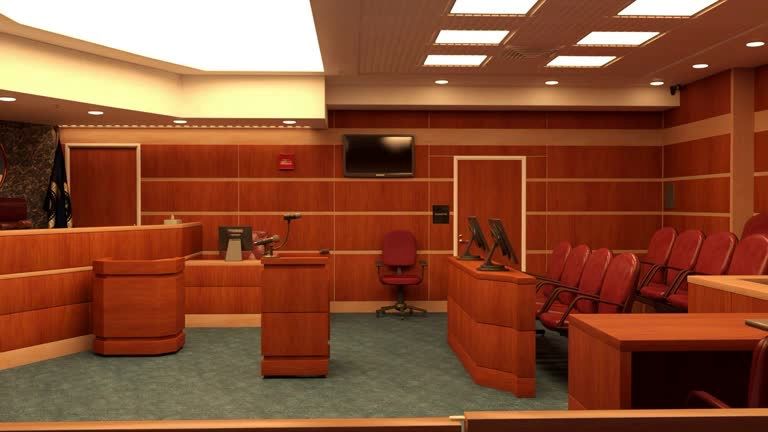
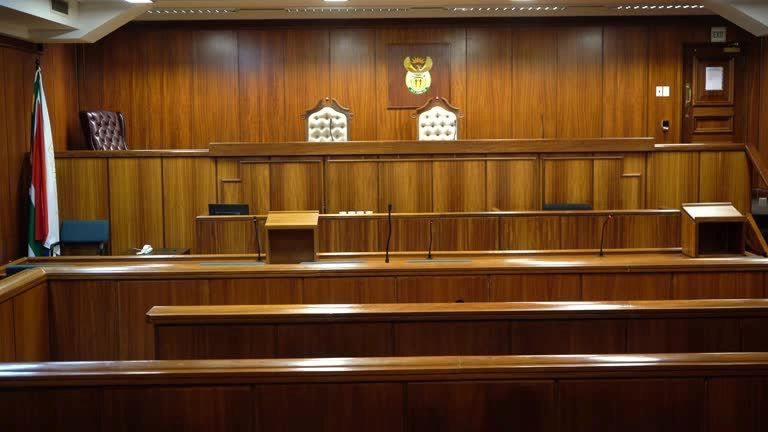
Government Complexes and Administrative Buildings – Catalysts for Effective Governance in Africa
Introduction
African Infrastructure Investment Limited (AIIL) recognizes that effective governance requires not only visionary leadership but also the physical infrastructure to support it. Government complexes and administrative buildings are more than brick-and-mortar structures—they are the nerve centers of governance, public service delivery, and policy execution. Across Africa, outdated, inadequate, and poorly maintained facilities have hindered efficient governance.
Through this initiative, AIIL seeks to design, finance, and deliver modern government complexes and administrative buildings across Africa, providing the enabling environment for governments to function effectively, citizens to access services seamlessly, and economies to grow sustainably.
Current Challenges in Government Infrastructure
- Dilapidated Facilities: Many government offices are housed in decades-old buildings with leaking roofs, poor sanitation, and unreliable power.
- Technological Gaps: Lack of integrated ICT systems in existing facilities slows down adoption of e-governance and digital service delivery.
- Overcrowding & Inefficiency: Civil servants often work in cramped offices without proper ventilation or basic amenities, reducing productivity and morale.
- Public Service Bottlenecks: Outdated service centers result in long wait times, poor record-keeping, and delays in delivering essential services.
AIIL’s Strategic Investment Focus
1. Enhanced Governance
Modern complexes are designed to promote cross-ministry collaboration, transparency, and coordination. Integrated facilities will allow ministries, departments, and agencies to share resources and information seamlessly—critical for tackling Africa’s complex development challenges.
2. Improved Service Delivery
AIIL will equip government complexes with citizen service hubs, digital kiosks, and e-governance systems to handle inquiries, registrations, and applications quickly and transparently. This citizen-focused design will reduce waiting times, enhance accountability, and increase satisfaction.
3. Policy Implementation Efficiency
With state-of-the-art data management and monitoring systems, governments can better track policy progress, collect real-time data, and make evidence-based adjustments. This ensures policies translate more effectively into tangible results for citizens.
4. Capacity Building & Knowledge Transfer
AIIL’s approach includes collaboration with global experts to train African architects, engineers, and project managers, ensuring local capacity for design, construction, and long-term facility management.
Key Features of AIIL’s Government Complexes- Integrated ICT and Digital Governance Systems
- Energy-Efficient & Climate-Resilient Designs
- Modernized Meeting Rooms, Auditoriums & Workspaces
- Citizen Service Centers with Digital Self-Service Kiosks
- Secure Archival and Data Systems for Records Management
- Accessibility and Inclusivity Features for all citizens
Financing Strategy
AIIL will leverage secured foreign funding partners to ensure financing sustainability. By aligning with international best practices in project financing, AIIL ensures bankable, transparent, and impactful projects for host governments.
Strategic Impact for Africa
- Strengthened Governance – better coordination, transparency, and accountability.
- Efficient Service Delivery – faster, citizen-centered public services.
- Sustainable Development – integration of green building standards.
- Job Creation – skilled and unskilled employment in construction, ICT, and maintenance.
- Digital Transformation – enabling e-governance and smart government systems.
Conclusion
AIIL’s initiative to invest in Government Complexes and Administrative Buildings represents a transformative pathway for African governance. By modernizing the infrastructure of governance, this initiative will empower civil servants, improve service delivery, and enhance policy execution—laying the foundation for sustainable development and accountable leadership across the continent.
This investment is not just about building structures; it is about building the future of African governance.
Featured Projects