Defense & Intelligence
Building a Robust and Modern Defense and Intelligence Infrastructure in Africa
Africa stands at a critical juncture in its pursuit of peace, security, and sustainable development. The continent faces a complex web of security threats — from cross-border insurgencies, piracy, and terrorism to cyberattacks and political instability. These challenges undermine governance, deter investment, and erode social progress.
African Infrastructure Investment Limited (AIIL) recognizes that a resilient, technology-driven, and well-coordinated defense and intelligence system is vital to safeguarding African lives, assets, and future prosperity. Through strategic partnerships, innovative financing, and infrastructure development, AIIL is committed to advancing modern defense and intelligence capabilities across Africa, with Nigeria positioned as a continental leader.
The Evolving Security Landscape in Africa
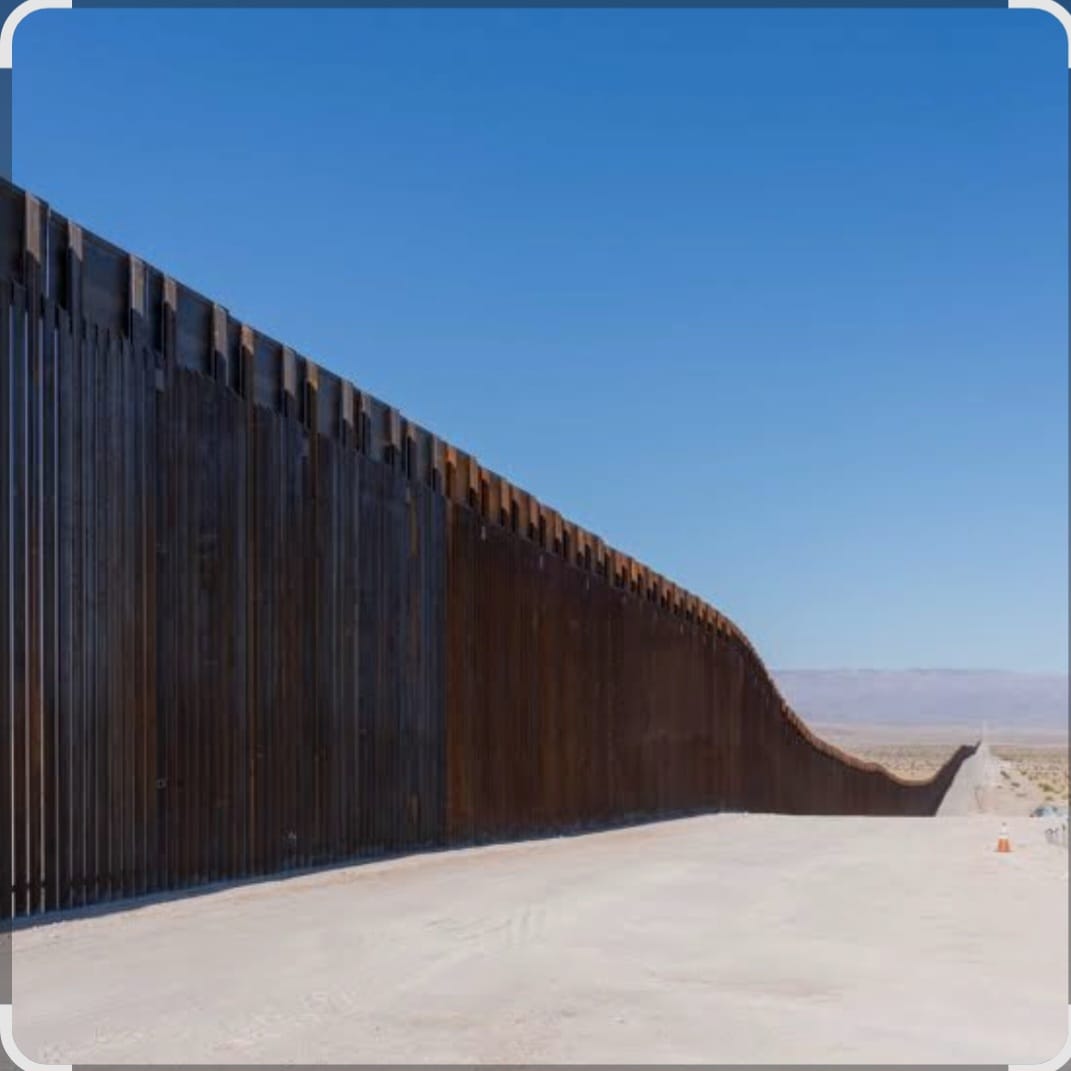
- Cross-Border Insurgencies: Armed groups exploit porous borders, carrying out attacks in one country before retreating into neighboring states.
- Piracy & Maritime Insecurity: Piracy in the Gulf of Guinea and the Indian Ocean disrupts international trade, threatens energy security, and destabilizes economies.
- Cyber Threats: With increasing digitization, African institutions face rising cyberattacks on financial systems, government databases, and critical infrastructure.
- Internal Political Instability: Civil unrest, coups, and weak governance create fertile ground for criminality and terrorism.
- These interconnected threats require systemic and integrated solutions that transcend national boundaries.
Key Components of a Modern Security and Intelligence Infrastructure
1. Civilian Security and Intelligence Systems
- Strengthening police forces, border control, and intelligence agencies through training, institutional reforms, and modern equipment.
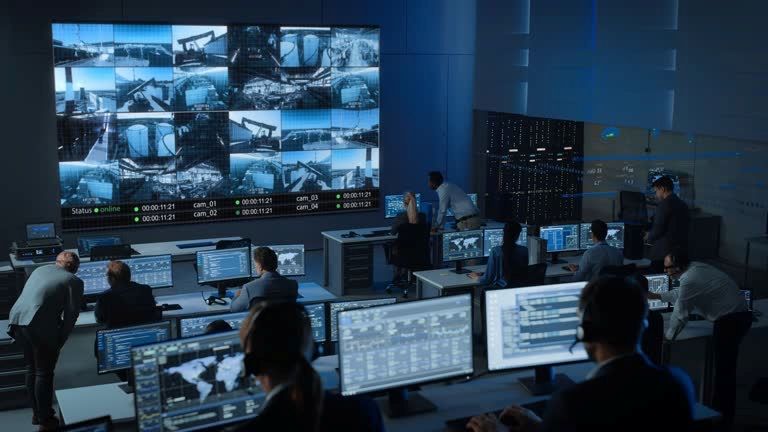
- Developing national intelligence databases and real-time data-sharing frameworks.
- Building community-level security networks that enhance early warning and rapid response.
2. Military Installations and Strategic Bases
- Modernizing and expanding Africa’s military bases and training facilities.
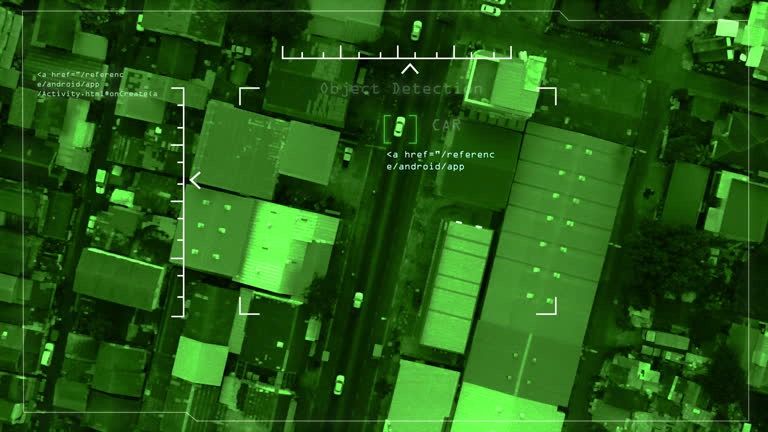
- Investing in advanced communication systems, surveillance drones, and precision weaponry.
- Establishing joint counter-insurgency and peacekeeping hubs to respond to regional threats.
3. Mission-Critical Security Infrastructure Protection
- Securing vital assets such as power plants, water systems, airports, ports, and telecom networks.
- Deploying layered security systems, including perimeter defenses, surveillance technologies, and cybersecurity frameworks.
- Integrating defense strategies into national economic and infrastructure planning.
The Role of Technology and Coordination
Technology-Driven Security
- Artificial Intelligence & Big Data for predictive threat analysis.
- Satellite surveillance, drones, and biometrics for border and urban monitoring.
- Cybersecurity infrastructure to protect government, business, and citizen data.
Well-Coordinated Security Systems
- Enhancing regional cooperation through bodies like the African Union (AU) and ECOWAS.
- Promoting joint intelligence-sharing platforms and combined operations.
- Establishing standardized defense protocols across borders for collective resilience.
Challenges and Opportunities
- Funding Constraints: Defense and intelligence infrastructure require substantial investment, which can be mobilized through AIIL’s Foreign Funding Partners.
- Technical Expertise Gaps: Addressed through international collaborations and capacity-building initiatives to train African defense and intelligence professionals.
- Policy and Governance Weaknesses: Requires reform, institutional strengthening, and alignment with continental security frameworks.
AIIL’s Strategic Contribution
AIIL seeks to:
- Mobilize large-scale funding leverage on secured Foreign Funding Partners for defense and intelligence infrastructure.
- Develop integrated civilian, military, and mission-critical security systems.
- Build technology-driven security ecosystems tailored for African realities.
- Partner with African governments, regional blocs, and international security experts to drive long-term resilience.
Strategic Outcomes
- Enhanced National Security: Stronger protection of citizens, assets, and borders.
- Economic Stability: Improved investor confidence through secure environments.
- Regional Peace and Cooperation: Coordinated responses to transnational threats.
- Technological Advancement: Adoption of world-class security innovations in Africa.
- Leadership by Example: Nigeria and other strategic nations becoming security anchors for continental stability.
Conclusion
The AIIL Defense and Intelligence Infrastructure Initiative is a strategic blueprint for safeguarding Africa’s future. By investing in robust civilian systems, modernized military installations, and mission-critical infrastructure protection, AIIL will help build a secure foundation for economic growth, governance, and social progress.
Africa’s long-term prosperity depends on security. Through technology-driven, coordinated, and well-financed initiatives, AIIL is committed to transforming Africa’s defense and intelligence landscape into a model of resilience, innovation, and continental strength.
Featured Projects
Our featured projects highlight impactful initiatives that drive sustainable development and innovation across the African continent. Each project is designed to strengthen critical infrastructure, promote economic growth, and improve quality of life. Our commitment is to building resilient communities and empowering future generations. Through strategic partnerships, cutting-edge technology, and local capacity building, we are shaping a more inclusive and prosperous Africa.