Culture
Developing and Investing in Cultural Infrastructure Across Africa
African Infrastructure Investment Limited (AIIL) recognizes culture as the foundation of identity, unity, and progress. Beyond its intrinsic value, cultural infrastructure is a powerful driver of social cohesion, economic development, and educational advancement.
Africa, endowed with vast cultural diversity, heritage, creativity, and sports potential, requires strategic investments in art, heritage preservation, knowledge systems, and sports infrastructure. AIIL is committed to catalyzing this transformation by mobilizing resources, expertise, and partnerships to preserve Africa’s cultural wealth while positioning it as a global hub for creativity and knowledge.
Significance of Cultural Infrastructure Development
1. Social Cohesion and Identity
- Museums, theaters, and community centers foster inclusion by bringing together diverse groups.
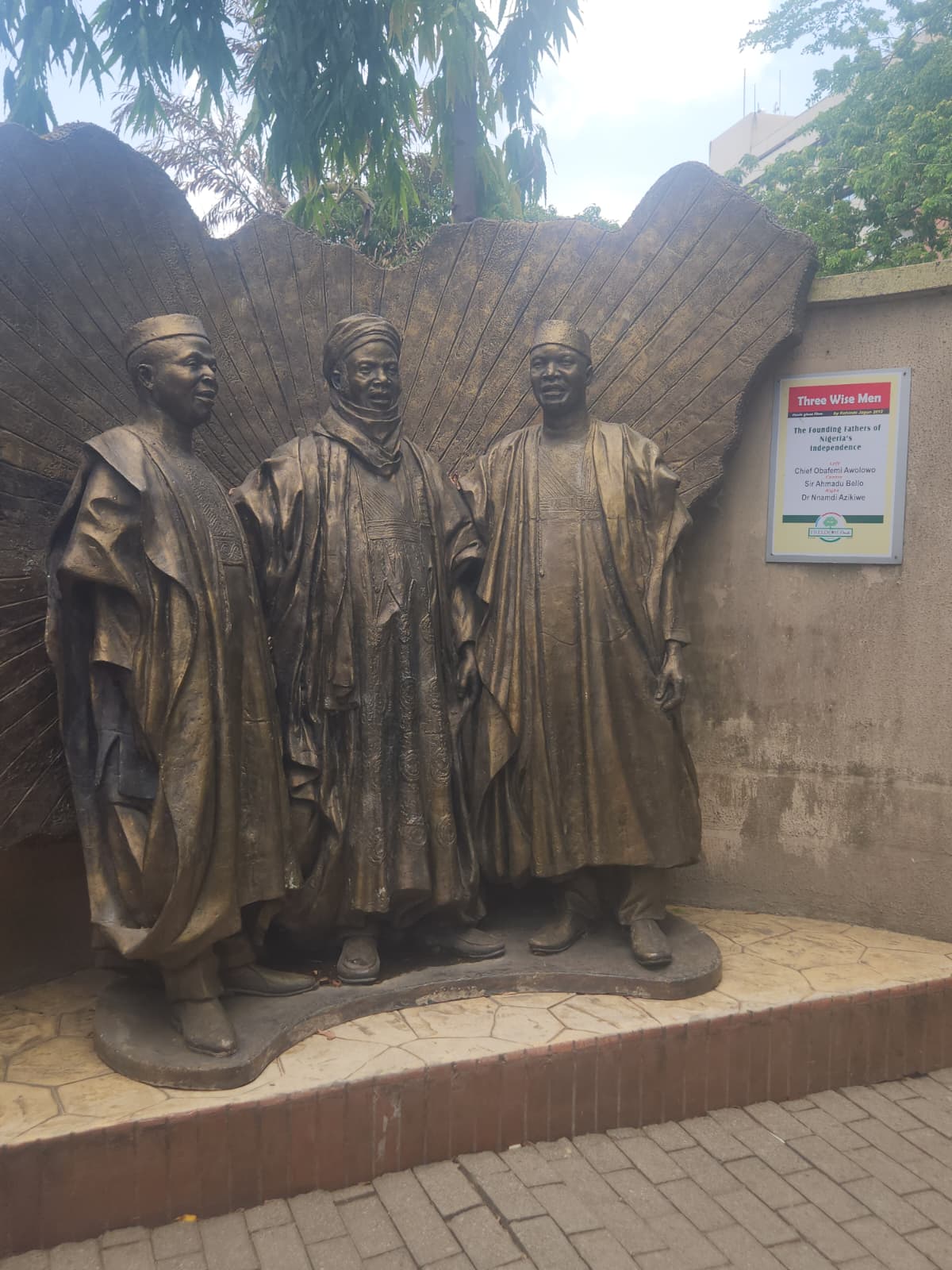
- Heritage projects reconnect communities with their history, instilling pride and reinforcing cultural identity.
- Sports hubs and recreational centers promote unity and healthy social interactions.
2. Economic Growth and Opportunity
- Creative industries powered by galleries, studios, and incubators generate jobs, exports, and international recognition.
- Sports infrastructure attracts international tournaments and drives tourism, while stimulating construction, hospitality, and service industries.
- Cultural festivals and events can become major revenue streams for cities and nations.
3. Education and Knowledge Access
- National and digital libraries strengthen research and lifelong learning.
- Knowledge hubs promote literacy, innovation, and a knowledge-based economy.
- Cultural infrastructure bridges gaps in educational access across underserved communities.
Current State in Africa
Art & Creative Infrastructure: Few state-of-the-art galleries, underfunded creative spaces, and emerging incubators constrained by poor funding and limited access to markets.
Heritage Preservation: Historic and archaeological sites at risk of decay, weak documentation systems, and limited management capacity.
Sports & Recreation: Existing stadiums often dilapidated, lack of community-level hubs, and underfunded sports programs limiting youth talent development.
Libraries & Knowledge Systems: National libraries outdated and congested; digital libraries remain underdeveloped due to connectivity and content challenges.
Challenges
Funding Gaps: Governments often prioritize basic infrastructure over cultural projects, while private investors hesitate due to perceived low returns.
Limited Technical Expertise: Shortages in museum management, conservation, and sports design specialists.
Weak Policies and Governance: Absence of clear frameworks, mismanagement, and inadequate inter-agency coordination.
Community Engagement: Insufficient involvement of local communities in design and ownership of projects.
AIIL’s Strategic Investment Approach
1. AIIL Financing Approach
- Leveraging secured foreign funding partners
- Developing stadiums, theaters, and cultural centers while Government provides policy direction and framework
- Structured financing models where AIIL as investors recover costs through ticketing, sponsorships, events, and branding rights.
2. International Collaboration
Reaching out to organizations like UNESCO, the African Union, and cultural foundations for organizational collaboration on heritage and cultural diversity
3. Capacity Building & Technical Development
- Training programs in museum sciences, heritage conservation, and sports facility management.
- Collaborations with universities and vocational schools to establish cultural infrastructure training hubs.
4. Community-Driven Development
- Ensuring community voices shape projects through consultations, surveys, and local management frameworks.
- Supporting community-owned cultural spaces for sustainability and local relevance.
5. Digital Transformation
- Virtual museums, e-libraries, and digital archives to expand access and participation.
- Leveraging social media and digital marketing to promote African culture globally.
Strategic Outcomes and Impact
- Social Impact: Stronger community ties, improved inclusivity, and pride in cultural identity.
- Economic Impact: Job creation, tourism growth, and a strengthened creative economy.
- Educational Impact: Expanded knowledge access, improved literacy, and strengthened innovation ecosystems.
- Cultural Sustainability: Long-term preservation of heritage and traditions for future generations.
- Continental Branding: Positioning Africa as a global hub for arts, heritage, and cultural innovation.
Conclusion
The AIIL Cultural Infrastructure Initiative is a transformative blueprint to unlock Africa’s cultural and creative potential. By investing strategically in arts, heritage, sports, and knowledge systems, AIIL seeks to not only preserve Africa’s legacy but also build a future where culture drives prosperity, unity, and global recognition.
Through collaboration, innovative financing, community participation, and digital transformation, AIIL will ensure that cultural infrastructure becomes a pillar of Africa’s sustainable development agenda.
Featured Projects
Our featured projects highlight impactful initiatives that drive sustainable development and innovation across the African continent. Each project is designed to strengthen critical infrastructure, promote economic growth, and improve quality of life. Our commitment is to building resilient communities and empowering future generations. Through strategic partnerships, cutting-edge technology, and local capacity building, we are shaping a more inclusive and prosperous Africa.
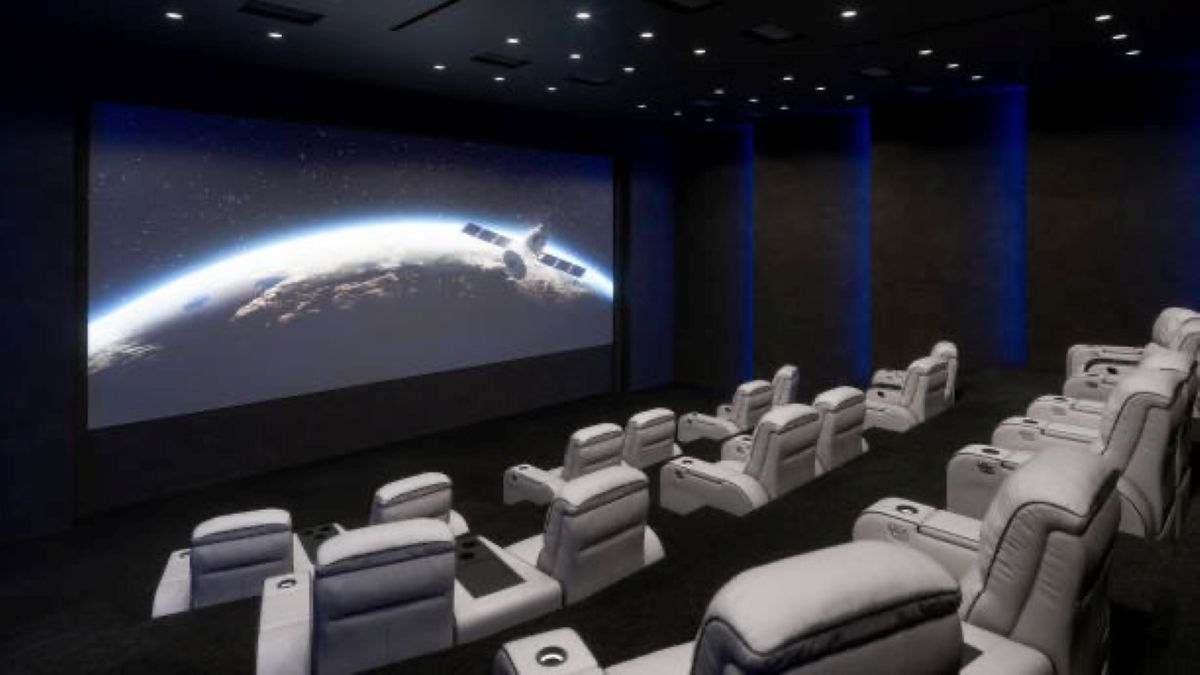
Movie theatre
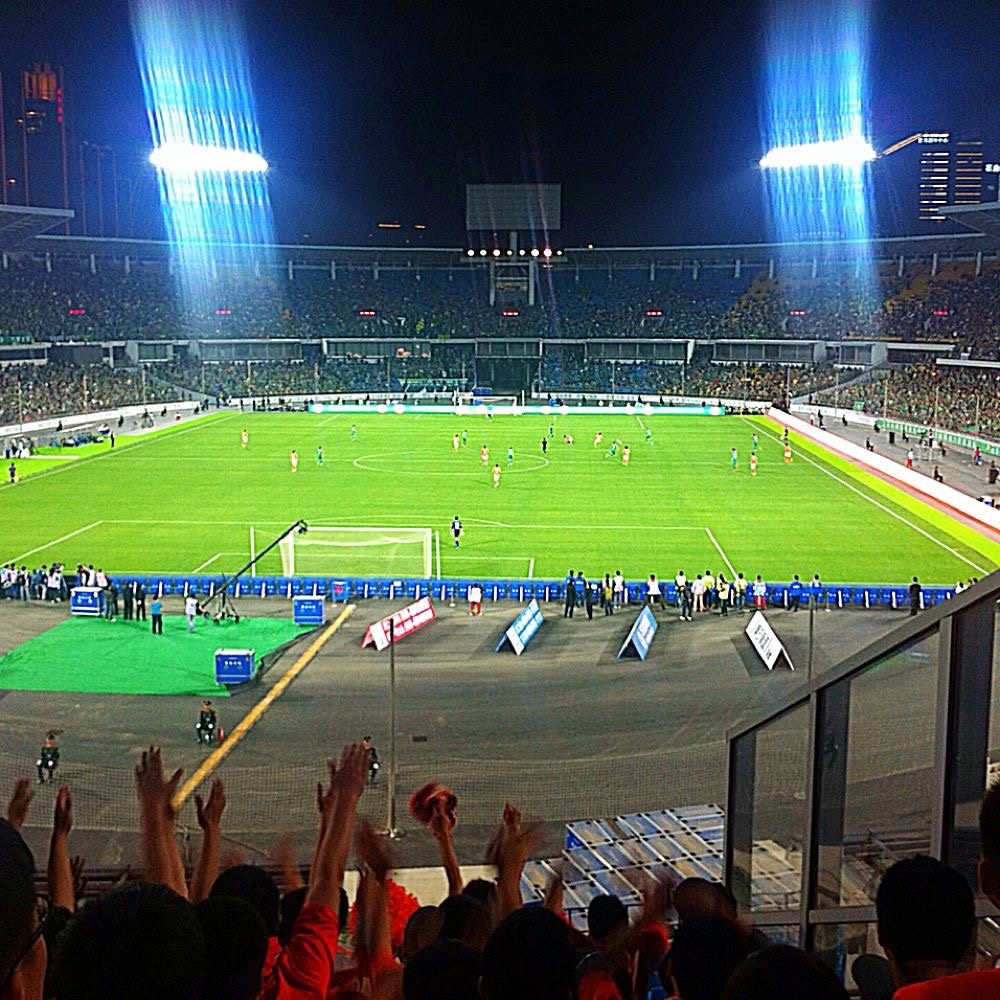
Football Stadium
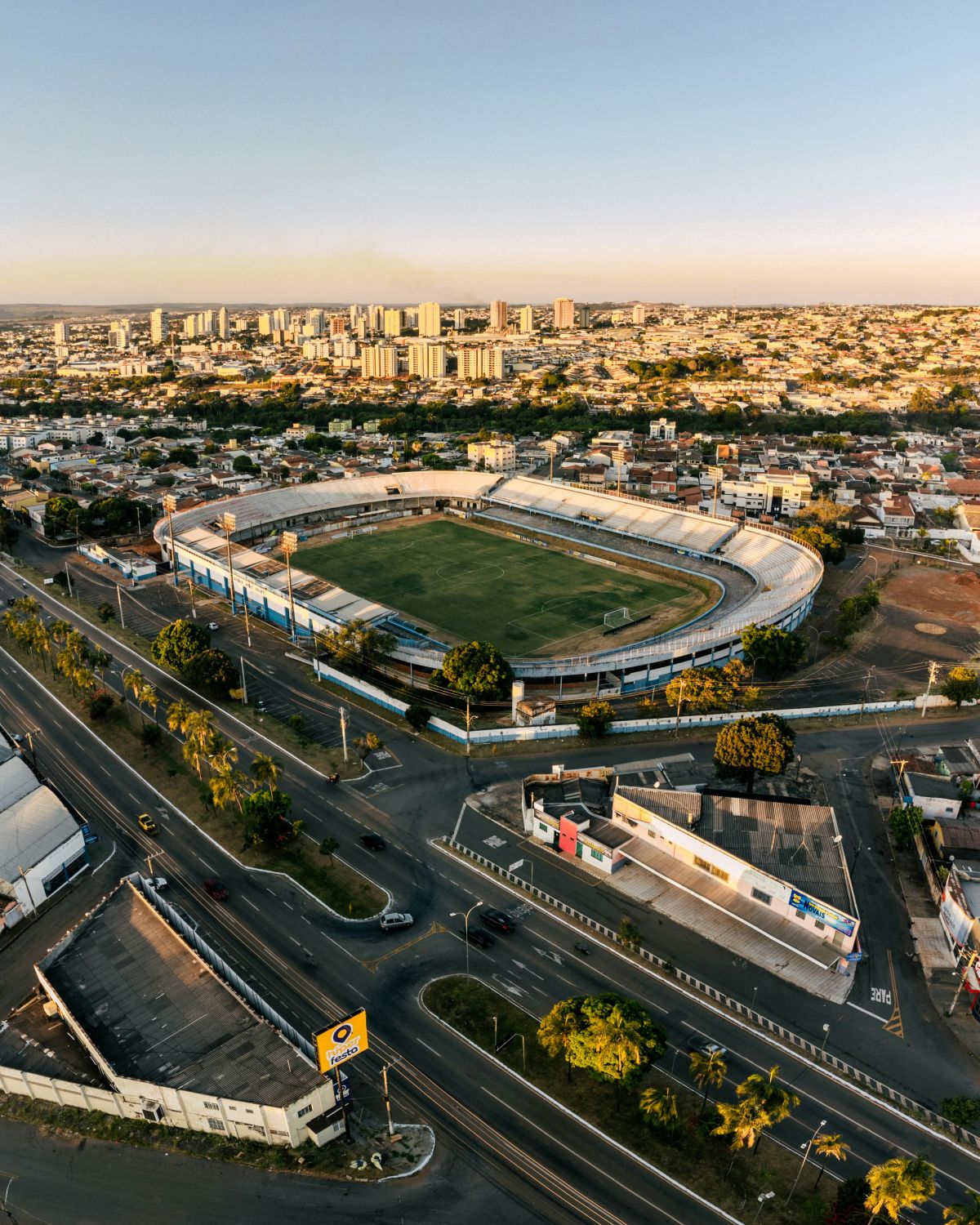
Track and Field
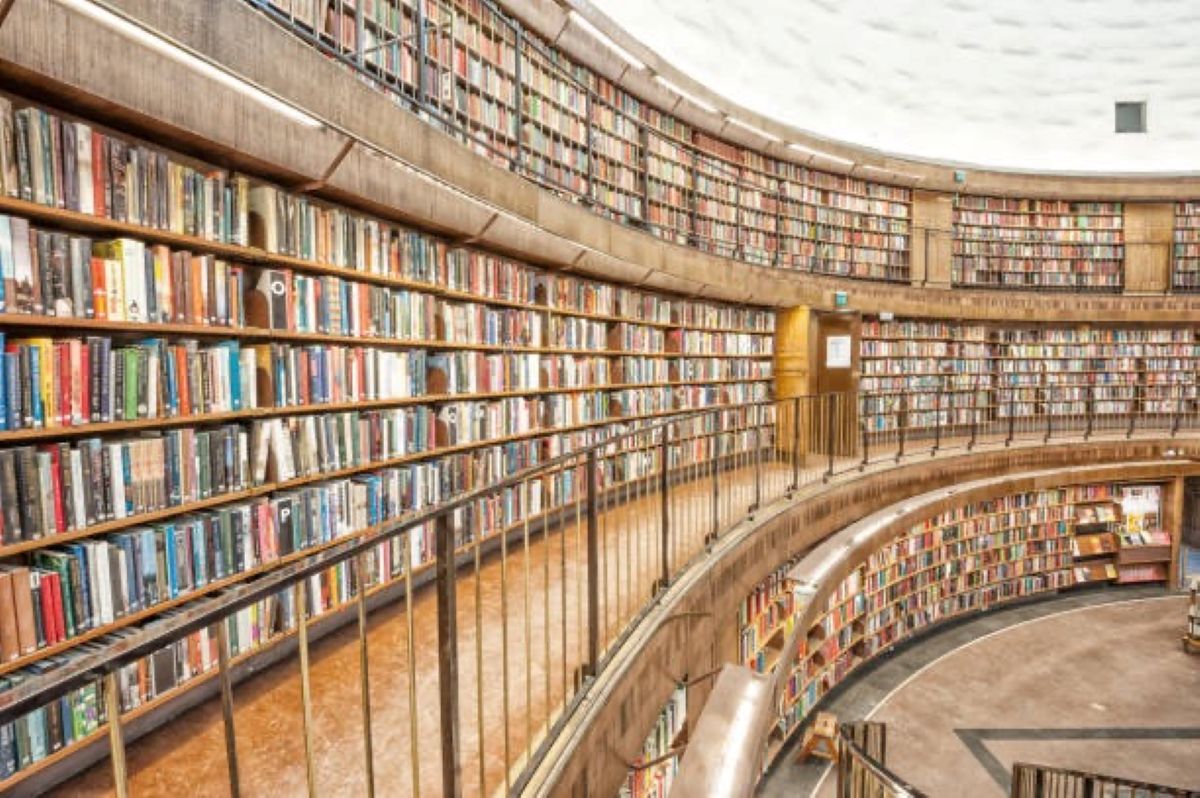
Library