Commercial, Real Estate, and Mixed - Use & Retail Infrastructure in African Continent
The African continent, with its burgeoning population and growing middle - class, presents a vast potential for the development of commercial, real estate, mixed - use, and retail infrastructure. Nigeria, as the most populous country in Africa and one of the largest economies on the continent, serves as a microcosm of the opportunities and challenges in this sector. Investment in retail, workplace, and office infrastructure is not only crucial for the real estate market but also for overall economic growth.
Current State of Commercial and Real Estate in Africa
Nigeria
Urbanization and Demand: Nigeria is experiencing rapid urbanization, with cities like Lagos, Abuja, and Port Harcourt witnessing a high demand for commercial and residential real estate. In Lagos, for example, the demand for office spaces in business districts such as Victoria Island and Ikoyi is constantly on the rise due to the presence of multinational corporations, financial institutions, and startups.
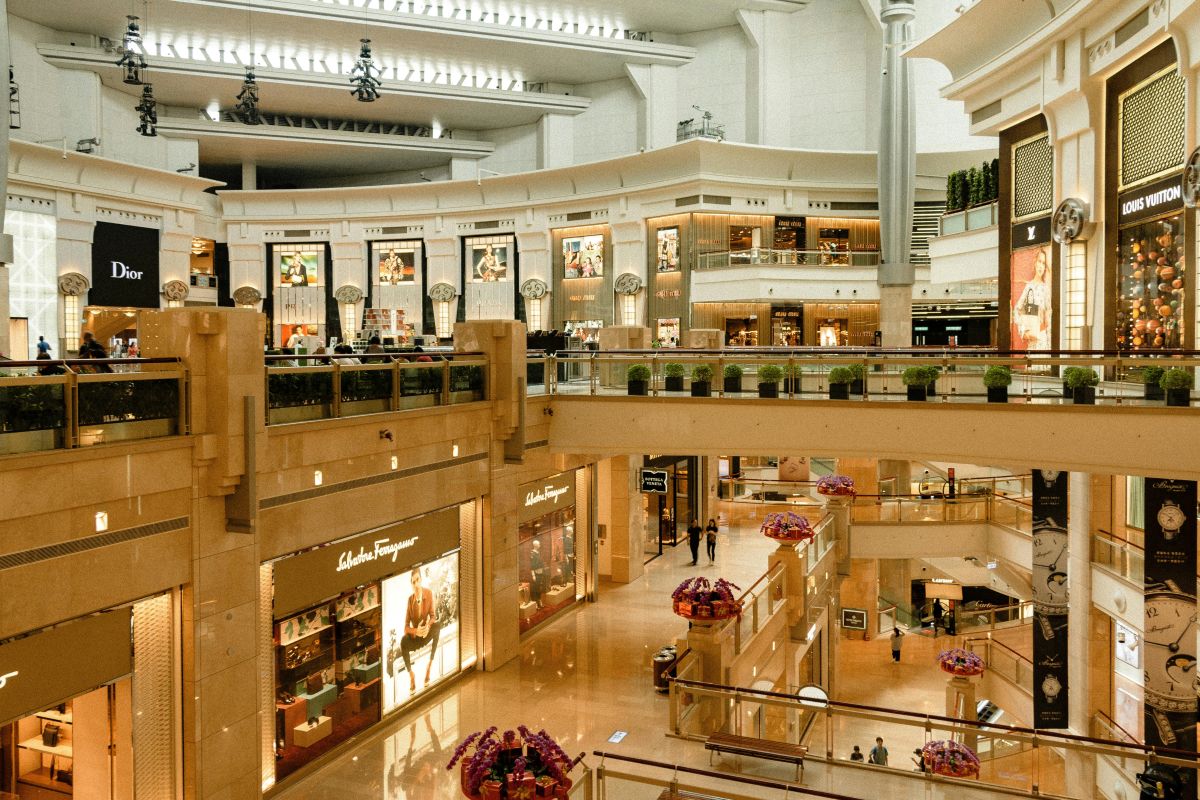
Retail Landscape: The retail sector in Nigeria has evolved significantly in recent years. There has been a growth in modern shopping malls, such as the Ikeja City Mall in Lagos and the Abuja Mall in the capital. These malls offer a range of international and local brands, dining options, and entertainment facilities, catering to the changing consumer preferences of the middle - and upper - class segments.
Challenges: However, the sector faces several challenges. Land acquisition processes are often complex and fraught with legal issues. There is also a lack of adequate infrastructure, such as reliable power supply and good road networks, which can increase the cost of doing business and limit the attractiveness of some locations.
African Continent
Diverse Markets: Africa is a diverse continent with varying levels of development in the commercial and real estate sectors. In South Africa, the real estate market is relatively mature, with well - developed office parks, shopping centers, and residential estates. In contrast, countries in East Africa, such as Kenya and Rwanda, are experiencing rapid growth in the real estate sector, driven by factors like foreign investment, urbanization, and a growing service - based economy.
Retail Expansion: International retailers are increasingly looking at Africa as a new frontier. Brands like Shoprite, a South African supermarket chain, have expanded across the continent, bringing modern retail concepts to local consumers. This has also spurred the development of supporting infrastructure, such as cold storage facilities and distribution centers.
Infrastructure Deficits: Similar to Nigeria, many African countries face infrastructure deficits. Inadequate transportation, water supply, and telecommunications can impede the growth of the commercial and real estate sectors. Additionally, political instability and regulatory uncertainties in some regions can deter potential investors.
Importance of Retail and Workplace & Office Infrastructure Investment
Economic Growth
Job Creation: Investment in retail and office infrastructure creates jobs at various stages, from construction to operation. Construction projects require a large workforce, including engineers, architects, and laborers. Once the infrastructure is operational, retail stores need sales staff, managers, and logistics personnel, while offices require administrative and professional employees.
Increased Productivity: Modern office spaces are designed to enhance productivity. They are equipped with advanced technology, comfortable working environments, and collaborative spaces. This can lead to higher efficiency among employees, which in turn contributes to the growth of businesses and the overall economy.
Boosting Consumer Spending: Well - developed retail infrastructure provides consumers with a wider range of products and services. This can stimulate consumer spending, which is a major driver of economic growth. In addition, modern retail spaces can attract tourists, further increasing economic activity.
Urban Development
Revitalizing Neighborhoods: Investment in retail and office infrastructure can transform underdeveloped neighborhoods. For example, the development of a shopping mall in a previously neglected area can attract other businesses, improve the quality of life for residents, and increase property values.
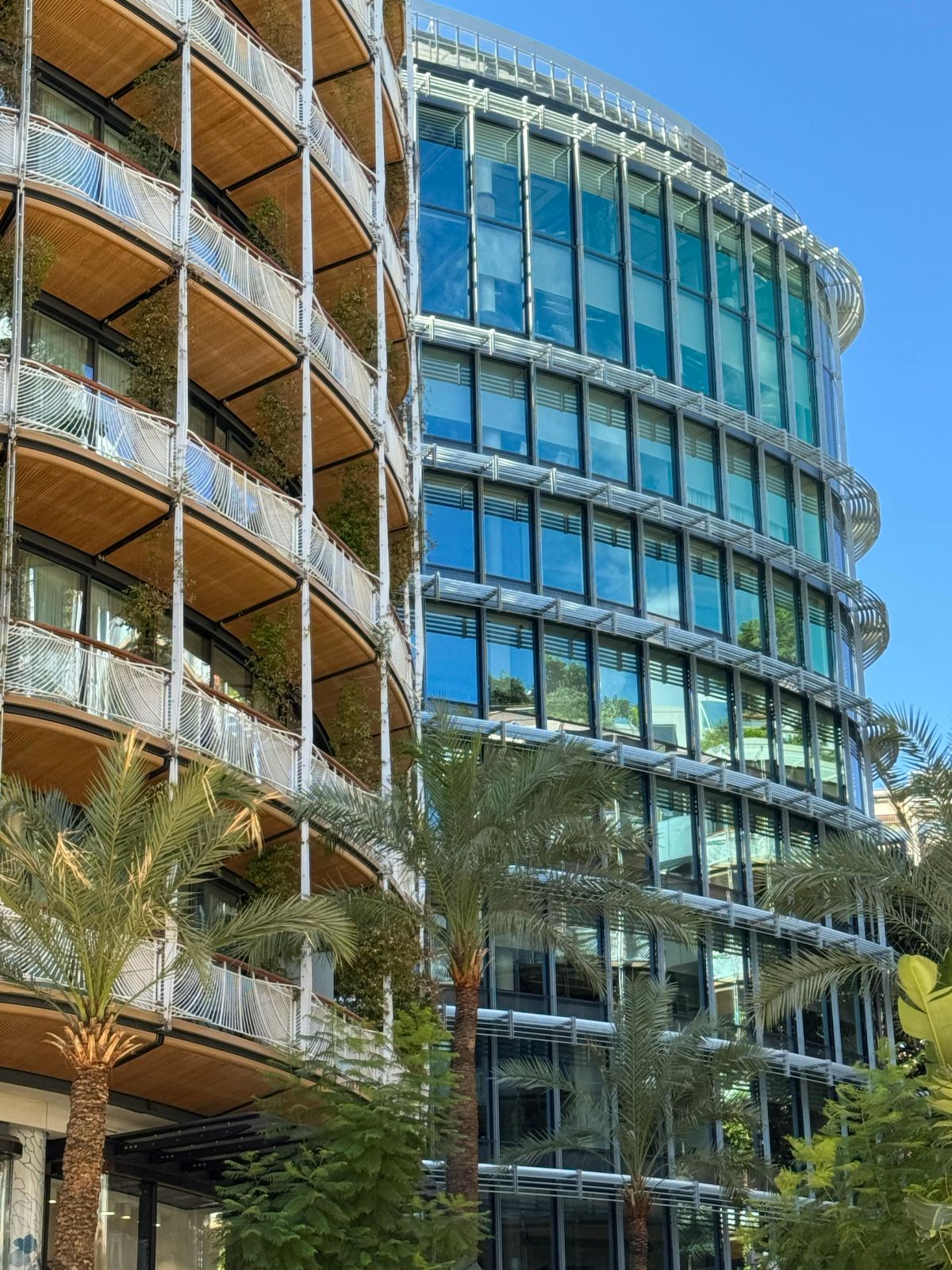
Mixed - Use Development: Mixed - use developments, which combine retail, office, and residential spaces, are becoming increasingly popular in Africa. These developments create vibrant urban communities where people can live, work, and shop in close proximity. This reduces the need for long commutes, saves time and energy, and promotes a more sustainable urban lifestyle.
Opportunities for Investment
Green and Sustainable Infrastructure
Growing Awareness: There is a growing awareness of environmental issues in Africa, and there is an opportunity for investors to develop green and sustainable retail and office infrastructure. This can include buildings with energy - efficient designs, renewable energy sources, and water saving technologies.
Cost Savings and Market Demand: Green buildings not only reduce environmental impact but also offer cost savings in the long run. There is also a growing market demand for sustainable properties, as businesses and consumers are becoming more environmentally conscious.
E - commerce - Enabled Retail Infrastructure
Rise of E - commerce: The e - commerce sector in Africa is growing rapidly, driven by increasing internet penetration and mobile phone usage. There is a need for infrastructure that supports e - commerce, such as warehouses, last - mile delivery hubs, and data centers.
Hybrid Retail Models: Investors can also explore hybrid retail models that combine online and offline shopping experiences. For example, creating click - and - collect points in shopping malls or developing pop - up stores for online brands.
The commercial, real estate, mixed - use, and retail infrastructure sectors in African continent hold great promise for economic growth. However, to fully realize this potential, there is a need for significant investment in retail, workplace, and office infrastructure. This investment should be accompanied by efforts to address the challenges such as infrastructure deficits, regulatory issues, and land - related problems. By leveraging opportunities in green infrastructure and e - commerce - enabled retail, investors can contribute to the development of a more vibrant and sustainable economy in Africa.
Featured Projects
Our featured projects highlight impactful initiatives that drive sustainable development and innovation across the African continent. Each project is designed to strengthen critical infrastructure, promote economic growth, and improve quality of life. Our commitment is to building resilient communities and empowering future generations. Through strategic partnerships, cutting-edge technology, and local capacity building, we are shaping a more inclusive and prosperous Africa.